
FOMAS Group has published its Sustainability Report 2025, confirming a structured and increasingly integrated approach to ESG topics, responsible industrial growth and long-term value creation.
The 2025 edition marks an important step in the Group’s sustainability journey. For the first time, the Report has been developed with reference to the European Sustainability Reporting Standards, ESRS, strengthening transparency, consistency and alignment with the evolving European sustainability reporting framework.
The graphic theme of this year’s Report is inspired by a mosaic, recalling the symbol of FOMAS Group’s DEI campaign, concluded in 2025. Each individual tile represents the uniqueness and diversity of every person; together, they create a greater value, reflecting the diversity that characterizes FOMAS Group as a multinational organization operating across three continents. The mosaic also expresses the Group’s commitment to inclusion and equity, based on the belief that diversity, when embraced as a whole, becomes a source of shared value.
To make the main results more accessible, FOMAS Group has also made available a downloadable Summary of the Sustainability Report 2025, together with the full Report. This allows stakeholders to access both a concise overview of the Group’s ESG performance and a complete analysis of its strategy, results and future commitments.

Sustainability Integrated into Corporate Strategy
In 2025, FOMAS Group further strengthened the integration of sustainability into its business strategy, governance model and industrial decision-making processes. ESG priorities are increasingly embedded in management objectives, with specific KPIs included in incentive systems.
The Group’s sustainability approach is based on five strategic pillars:
- Mastering the science of metals
- People-centric
- Awareness and commitment for the planet
- Embracing the change with our partners
- Creating shared value for the community
These pillars reflect FOMAS Group’s ambition to combine metallurgical expertise, innovation, operational excellence, and responsibility.
Double Materiality: Climate, People and Value Chain as Priorities
A key element of the FOMAS Group Sustainability Report 2025 is the double materiality analysis, carried out in accordance with ESRS principles. This process assesses both the impacts generated by the Group on the environment and society, and the financial risks and opportunities that sustainability topics may create for the business.
The analysis confirmed several priority areas. Among the most relevant environmental topics are climate change mitigation, water management and circular economy. From a social perspective, the most significant topics include health and safety, working conditions, equal opportunities and workers in the value chain. Governance priorities include business conduct, anti-corruption, supplier management and cybersecurity.
The results confirm that climate and people are at the center of FOMAS Group’s ESG agenda. They also highlight the importance of working with suppliers and partners to strengthen a more responsible supply chain, increasing transparency and resilience across the value chain.

Environmental Performance: Key 2025 Results
The Report provides a clear overview of the Group’s main environmental indicators, with particular focus on greenhouse gas emissions, energy, water and waste management.
In 2025, FOMAS Group recorded total market-based emissions of approximately 416,288 tCO₂eq, including:
The Group’s total energy consumption amounted to 615,635 MWh, while water consumption reached 171,456 m³. In terms of circular economy in metals, FOMAS Group generated 34,023 tons of waste, with only 8% classified as non-recycled waste.
These figures provide a transparent picture of the Group’s environmental footprint and support the definition of targeted actions to reduce impacts over time.
Decarbonization as a Core Commitment
Decarbonization remains one of the central priorities of FOMAS Group’s ESG strategy. The Group recognizes the complexity of the transition, particularly due to the use of natural gas furnaces, high investment requirements, evolving regulations, and the current lack of fully mature technological alternatives.
Despite these challenges, FOMAS Group has defined a clear path for decarbonization, based on multiple levers:
plant efficiency improvements;
process electrification where technically feasible;
increased use of renewable electricity;
consumption optimization;
research and development of low-carbon technologies;
supplier engagement, especially on Scope 3 emissions;
increased use of recycled materials;
logistics optimization.
The Group has also strengthened the monitoring of Scope 1, Scope 2 and Scope 3 emissions, supported by third-party verification, climate scenario analysis and Product Carbon Footprint assessments.
2030 Environmental Targets and 2025 Progress
The Sustainability Report 2025 outlines the Group’s main environmental targets for 2030, including:
reduction in Scope 1 and Scope 2 emissions
reduction in total Scope 1, Scope 2 and Scope 3 emissions
Water index target, down from 2.43 m³/t
renewable electricity
waste to landfill
In 2025, FOMAS Group continued to make significant progress toward these objectives, achieving a 24% reduction in Scope 1 and Scope 2 emissions compared to 2022 and a 9% reduction in total Scope 1, Scope 2 and Scope 3 emissions compared to 2022.
These results confirm the effectiveness of the actions already implemented and reinforce the Group’s commitment to a low carbon industrial transition.
People, Partners and Communities
The Sustainability Report 2025 also confirms the importance of social responsibility within the Group’s ESG strategy. Health and safety, working conditions, and equal opportunities remain essential priorities for FOMAS Group.
The Group’s people-centric approach is based on the belief that sustainable growth depends on the contribution, awareness and well-being of its people. At the same time, supplier management and responsible business conduct are key to promoting ethical standards and sustainability principles throughout the value chain.
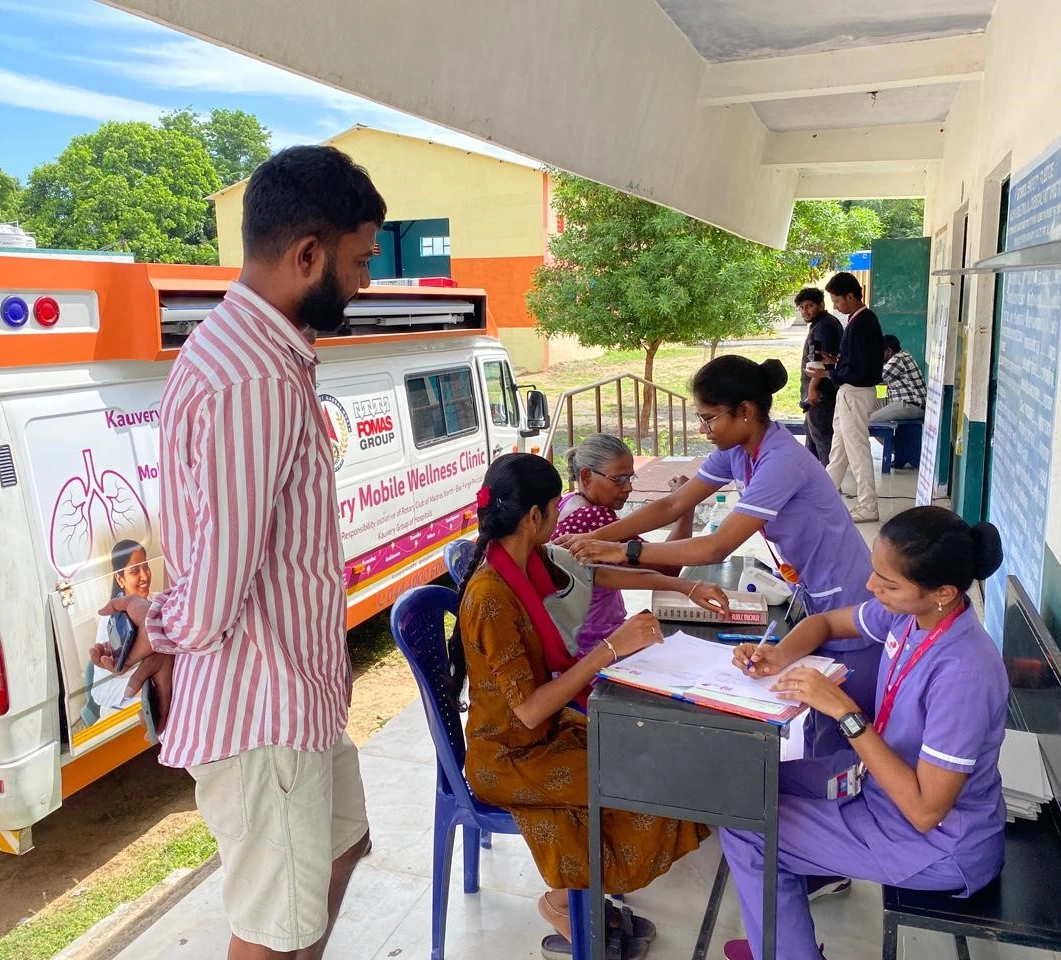
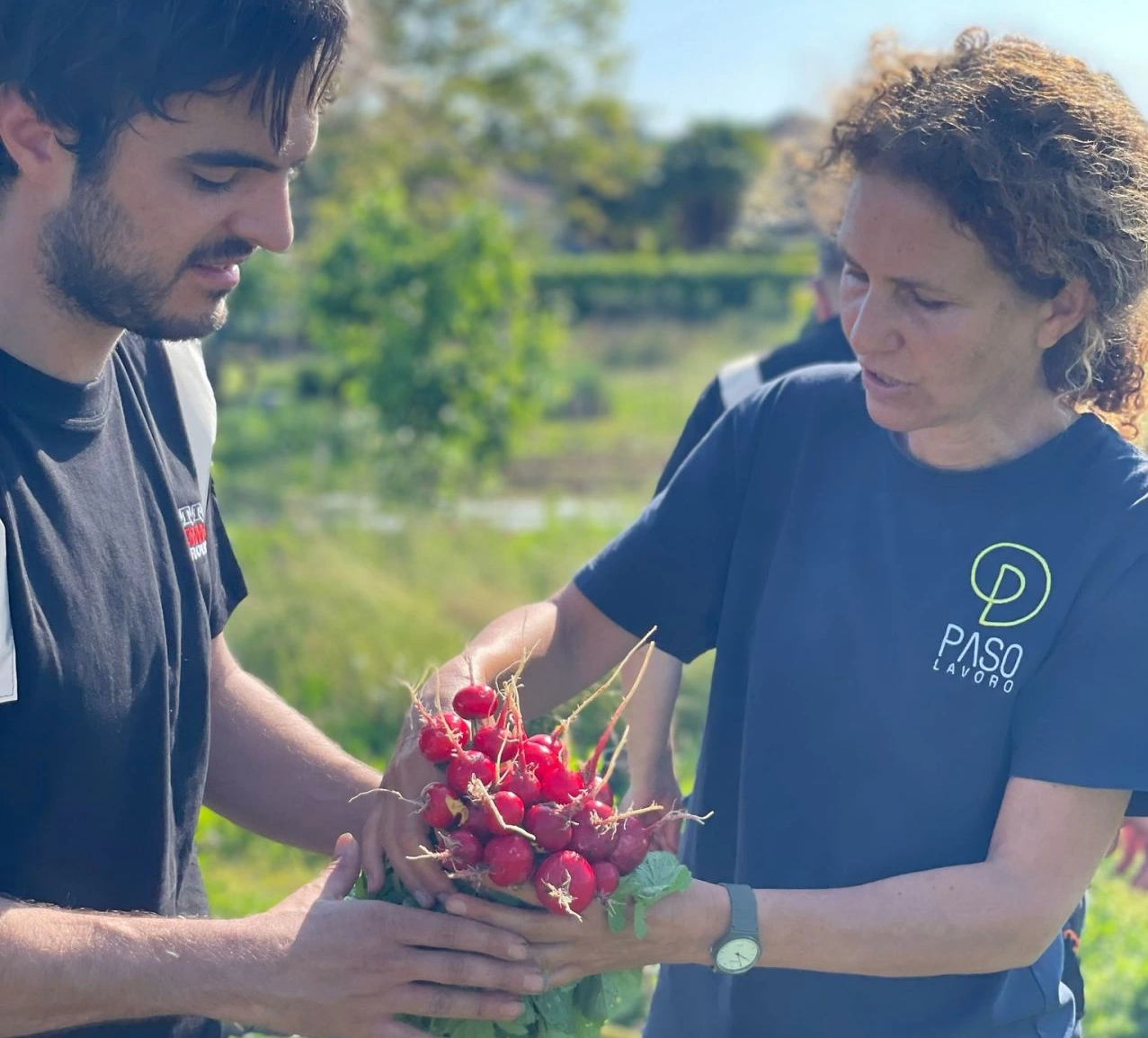
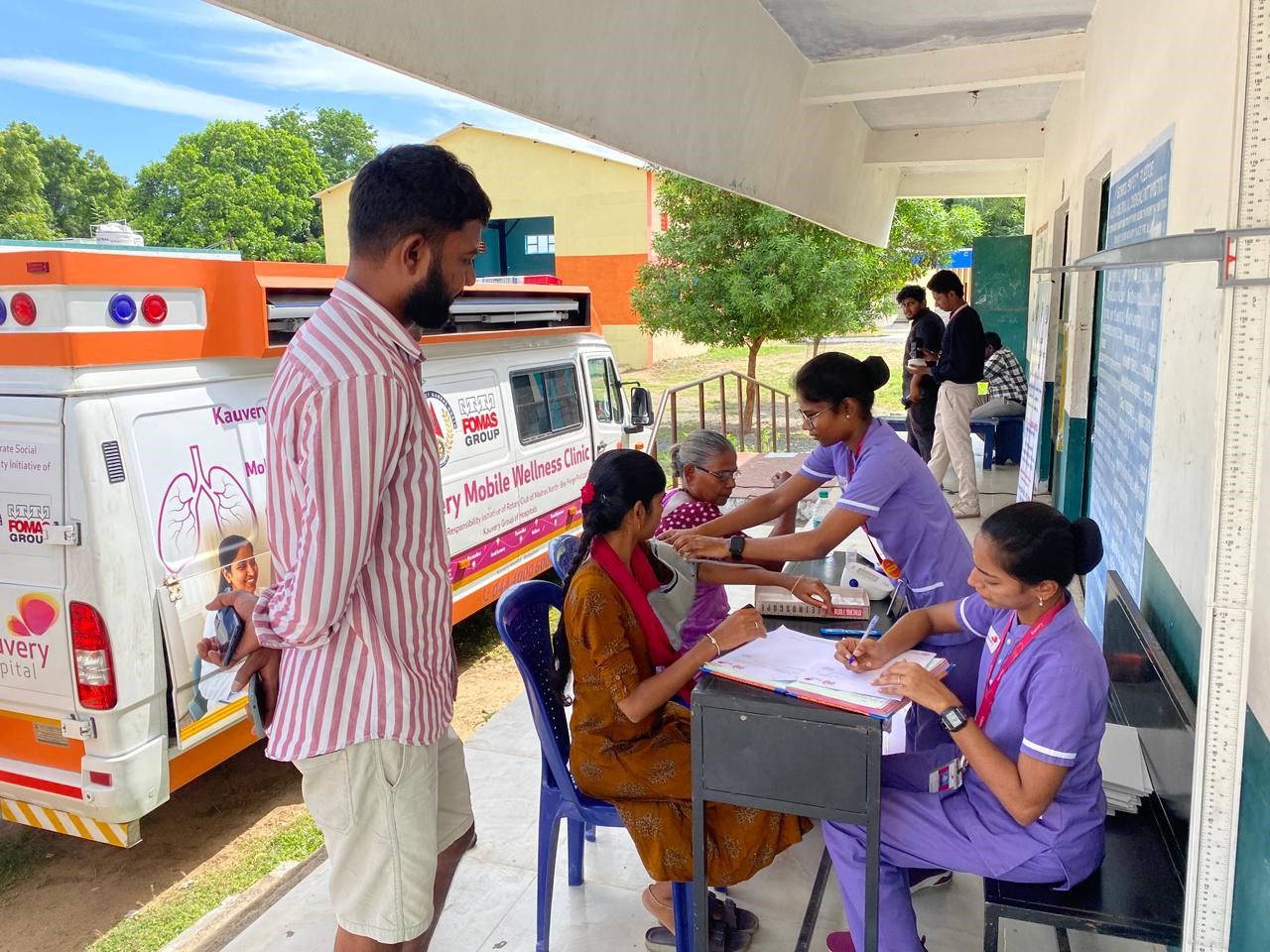
FOMAS Group also continues to focus on creating shared value for the communities where it operates, contributing to local development through responsible industrial presence, employment, partnerships and social engagement.
Looking Ahead
The FOMAS Group Sustainability Report 2025 confirms that the Group has built a solid ESG framework, supported by governance, measurable KPIs and a clear decarbonization strategy.
The next steps will focus on improving Scope 3 data quality, further structuring green CapEx and OpEx, and evaluating the potential validation of Science Based Targets.
Through the publication of the Sustainability Report 2025 and its downloadable Summary, FOMAS Group renews its commitment to transparency, innovation and responsible growth, continuing to shape a more sustainable future for the metals industry.
Download the Summary of the FOMAS Group Sustainability Report 2025 or access the full Report to explore the Group’s ESG results, strategy and future commitments.